
EDUCATION CONNECTIVITY SOLUTIONS
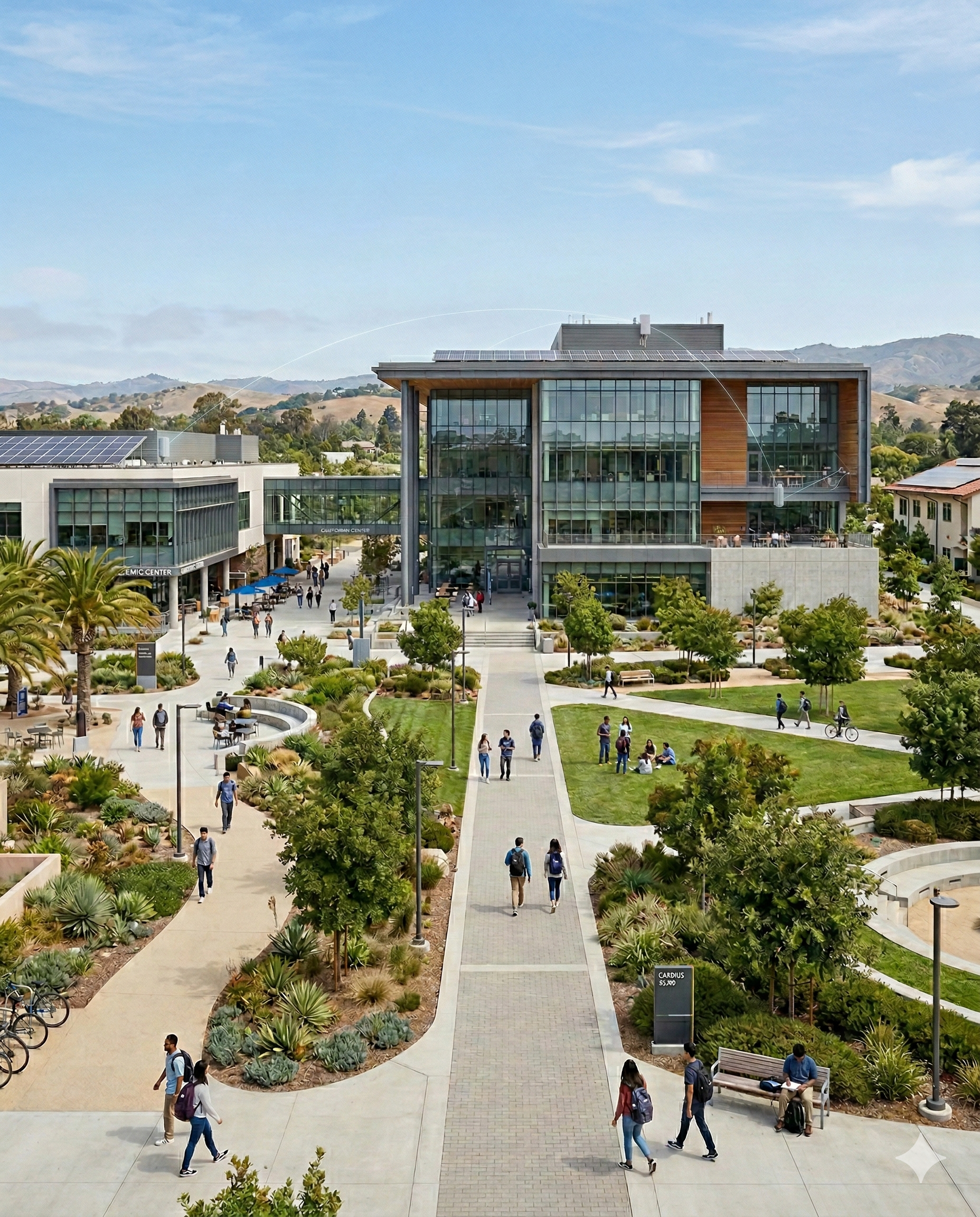
Wireless Connectivity Solutions for Colleges, Universities and Schools
Colleges, universities, and K–12 schools rely on connected environments to support learning, research, residential life, athletics, campus operations, and public safety. As user expectations rise and infrastructure becomes more complex, education leaders need wireless and network strategies that can scale across classrooms, residence halls, athletic facilities, outdoor spaces, administrative buildings, and safety-critical areas.
CTS helps education institutions plan, design, deploy, and support connected campus infrastructure across cellular DAS, Wi-Fi, private 5G, public safety DAS, optical LAN, and managed services.
20,000+ wireless deployments | Campus-wide connectivity expertise | Higher ed and K–12 experience | DAS, Wi-Fi, private wireless, public safety DAS & managed services
20,000+ Wireless Deployments
National wireless deployment experience for complex education environments, including dense buildings, outdoor areas, and evolving campus technology needs.

Campus-Wide Connectivity Planning
Planning support across academic, residential, athletic, outdoor, operational, and safety-critical campus spaces.

Higher Ed and K–12 Experience
Connectivity strategies for colleges, universities, school districts, and education campuses where wireless access supports learning, operations, and safety.

Multi-Technology Solution Design
Integrated support for DAS, Wi-Fi, private 5G, public safety DAS, Optical-LAN, and managed services.
Why Connectivity Matters Across the Modern Education Campus
Education environments depend on reliable connectivity in more places than ever. Students, faculty, staff, visitors, and emergency responders expect consistent wireless access across classrooms, libraries, residence halls, athletic facilities, outdoor spaces, administrative buildings, and safety-critical areas. For K–12 schools, districts also need secure, dependable connectivity across classrooms, common areas, outdoor learning spaces, transportation zones, and campus operations.
At the same time, many institutions are working with aging infrastructure, inconsistent cellular coverage, Wi-Fi congestion, fragmented systems, rising security requirements, and limited internal resources. A connected campus strategy helps education leaders align public cellular, Wi-Fi, private wireless, LAN, public safety communications, and managed support into a more resilient foundation for learning, operations, and long-term growth.
Campus Cellular DAS & In-Building Coverage
Students, faculty, staff, visitors, and event attendees expect reliable mobile service across campus. Many education environments include buildings and outdoor areas where public cellular coverage is inconsistent, especially in academic buildings, residence halls, athletic facilities, parking areas, basements, and large venues.
CTS designs and deploys custom, carrier-grade cellular DAS and in-building wireless solutions that help education institutions improve public cellular coverage and capacity where mobile connectivity matters most. Our vendor-agnostic approach allows campus requirements to guide the right design, the right equipment, and the right deployment strategy.
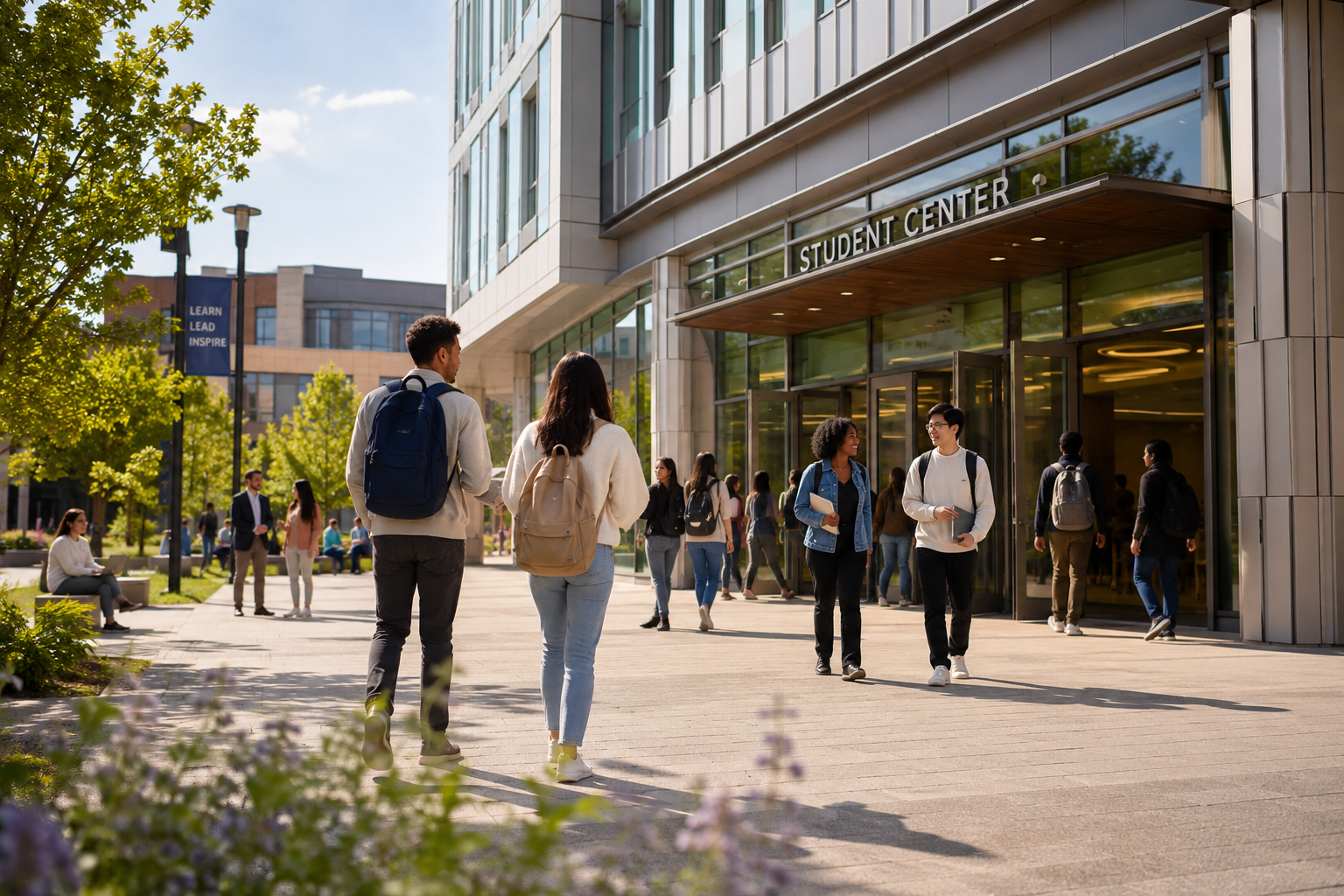
Wi-Fi Modernization for Education Environments
Campus Wi-Fi supports nearly every part of the education experience. Students use it for learning platforms, collaboration, research, streaming, and daily life. Faculty and staff rely on it for instruction, administration, communications, and campus operations. As device density grows, older wireless designs can create congestion, inconsistent performance, and support challenges.
CTS helps colleges, universities, and K–12 schools assess, design, deploy, and support Wi-Fi networks built around how people use connected campus spaces. From classrooms and libraries to residence halls, student centers, athletic venues, outdoor areas, and administrative environments, CTS helps deliver wireless performance that supports learning, operations, and student experience.
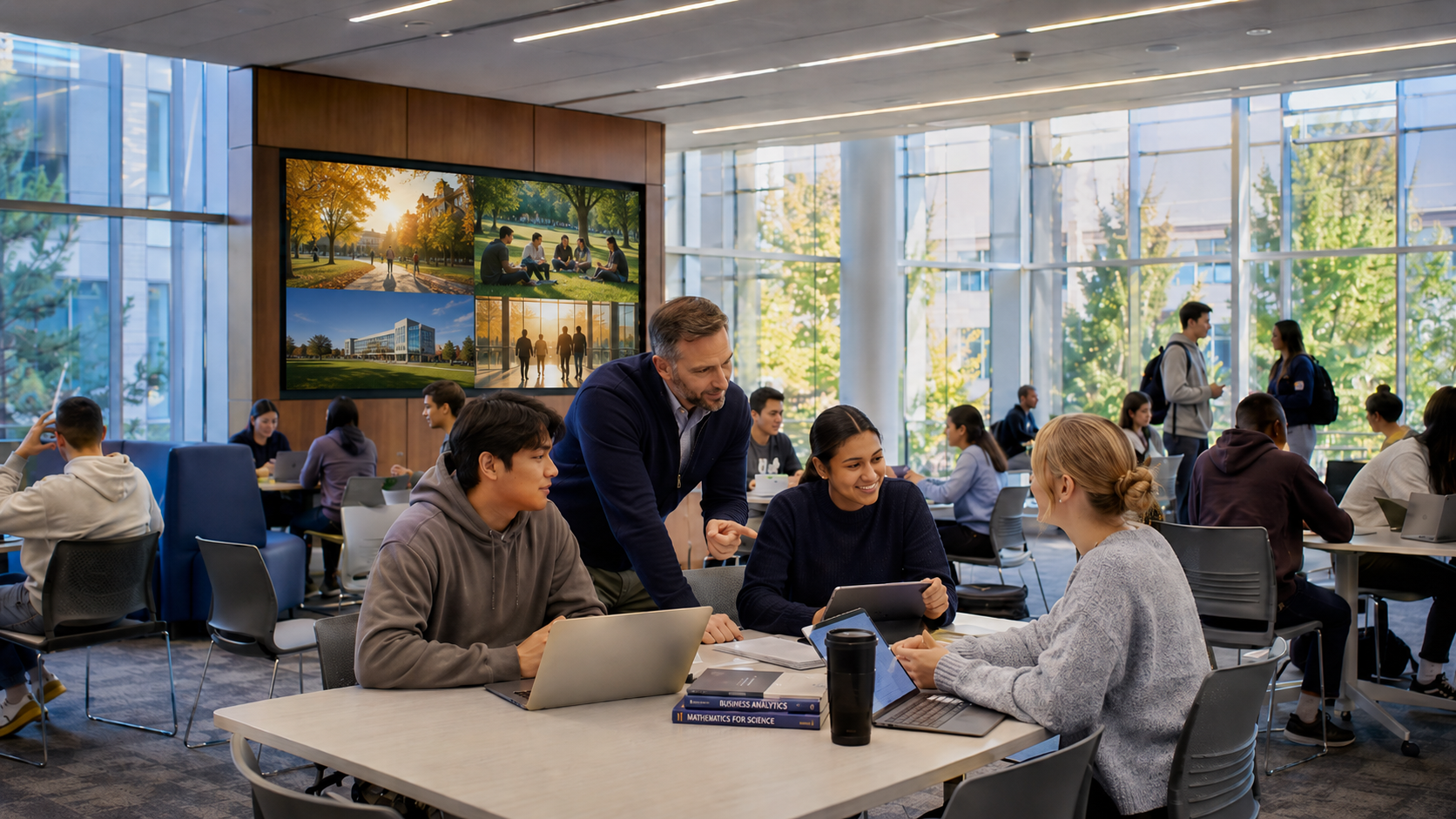
Private Wireless Networks for Campus Operations
Private 5G and private wireless networks can provide dedicated connectivity for campus operations, security, facilities, transportation, IoT, research, and smart campus applications. These networks can support use cases that require greater control, mobility, reliability, or coverage than traditional wireless environments may provide.
CTS helps education institutions evaluate where private wireless fits within the broader campus connectivity strategy. Because CTS is vendor agnostic, our team can design private wireless solutions around the customer’s requirements and integrate them with Wi-Fi, public cellular, LAN infrastructure, and managed services.
Public Safety DAS for School and Campus Emergency Communications
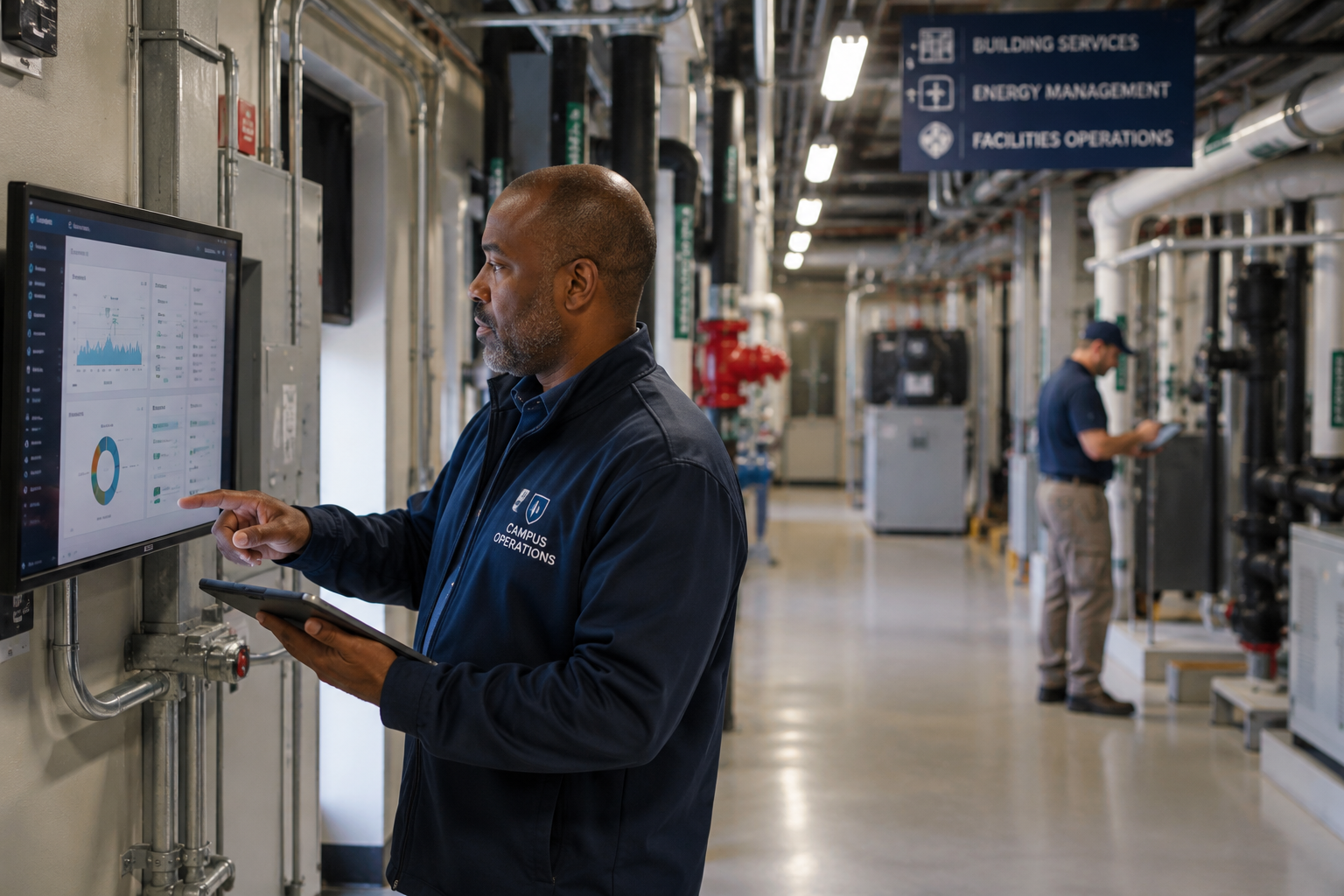
Emergency responder communications must work in the areas where campus safety risks are greatest. Basements, stairwells, elevators, tunnels, parking structures, mechanical areas, large buildings, and remote facilities can all create coverage challenges for first responders.
CTS designs and supports public safety DAS solutions that help education institutions strengthen emergency communications across campus facilities. Our team helps coordinate requirements, support authority review, and deliver infrastructure designed around safety-critical environments where reliable communication matters.
Optical LAN for Scalable Campus Infrastructure
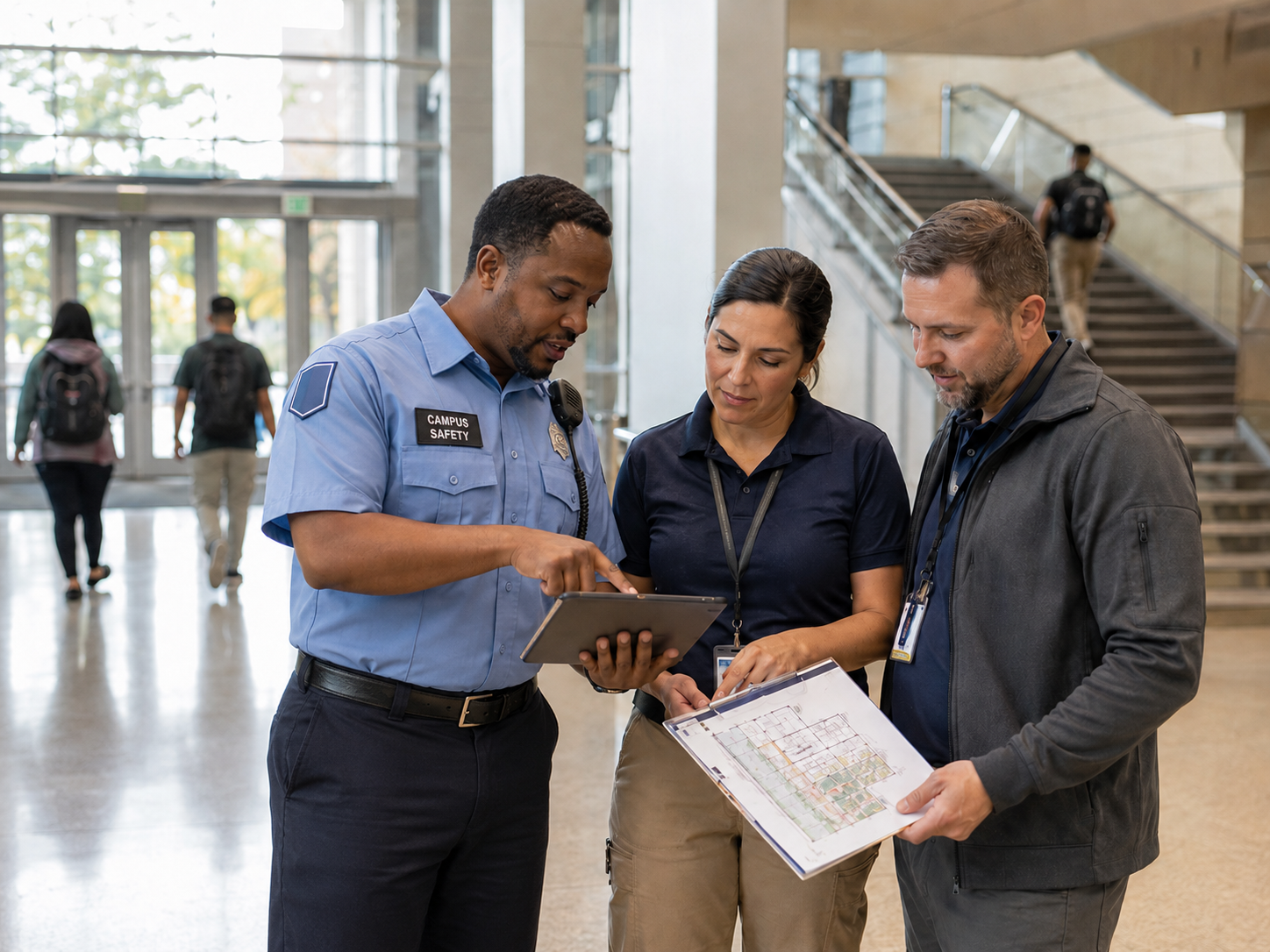
Education institutions need network infrastructure that can support long-term growth without adding unnecessary complexity. Optical LAN can help modernize the campus network foundation, reduce equipment footprint, simplify management, and support reliable connectivity across buildings and connected systems.
CTS helps colleges, universities, and schools evaluate LAN modernization options and design infrastructure around campus requirements. From learning spaces and residence halls to administrative buildings, security systems, and smart campus services, CTS helps create scalable network foundations that support mission-critical education environments.
Managed Services and Lifecycle Support for Education Networks
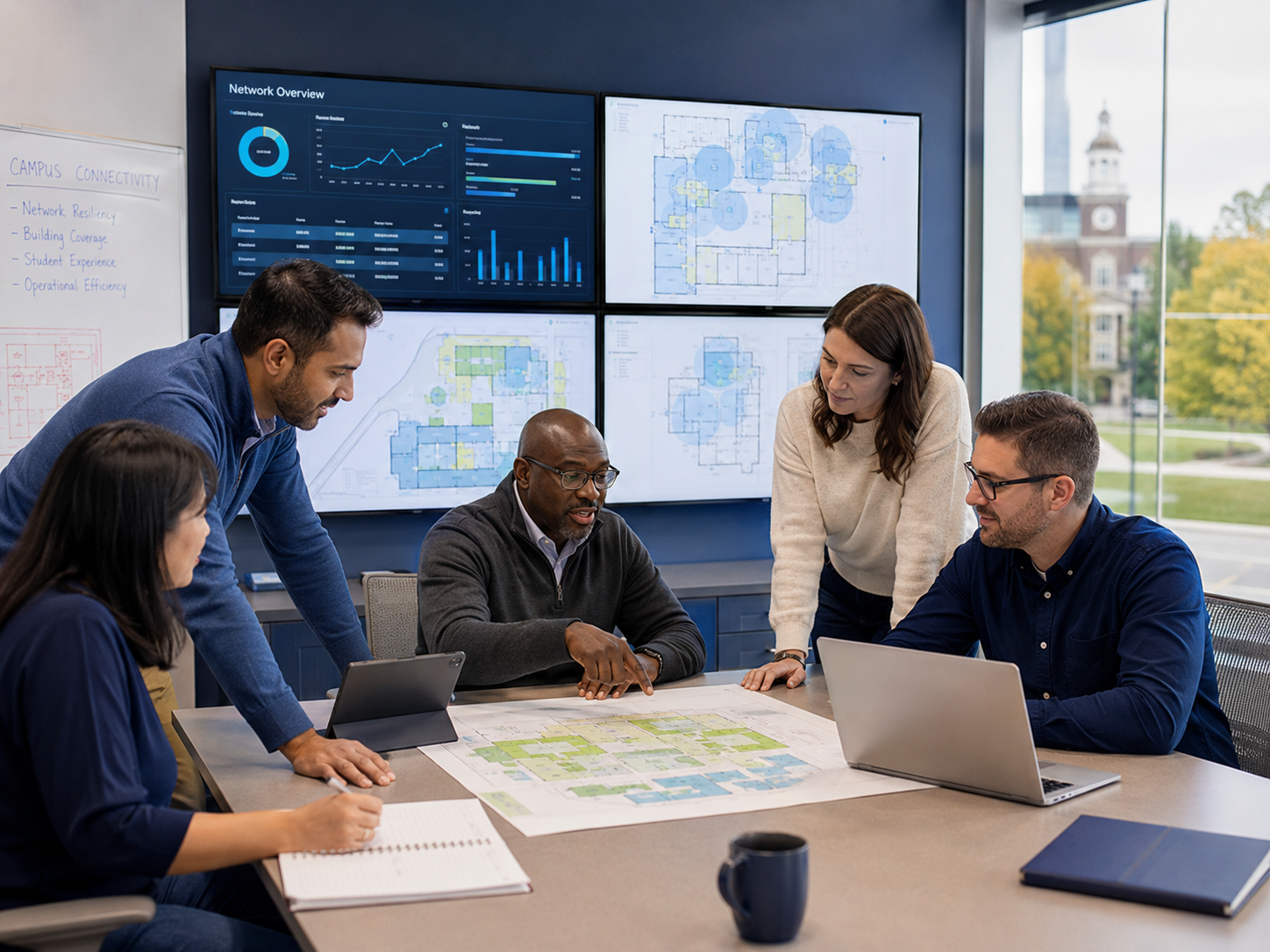
Many education IT teams are responsible for more users, more systems, and more connected environments with limited internal resources. Ongoing monitoring, maintenance, optimization, and lifecycle planning can help reduce operational strain and improve long-term performance.
CTS provides managed services and lifecycle support to help education institutions maintain wireless and network infrastructure after deployment. Our network operations experience helps campus teams monitor performance, respond to issues, plan upgrades, and keep connectivity aligned with changing academic, operational, and safety needs.
Solving Critical Connectivity Challenges in Education Environments
Every education environment has different connectivity demands. A residence hall does not operate like a lecture hall. A stadium does not operate like an administrative building. A K–12 classroom does not have the same requirements as a research lab or campus operations center.
CTS helps education institutions identify where connectivity is falling short, determine which systems need to work together, and build a practical path forward across public cellular, Wi-Fi, private wireless, LAN, public safety communications, and managed support.
Eliminating Public Cellular Coverage Gaps
Poor cellular coverage can affect students, faculty, staff, visitors, and event attendees across academic buildings, residence halls, athletic venues, parking areas, and outdoor spaces. CTS helps institutions assess coverage gaps and design in-building wireless or DAS solutions that improve mobile service where it matters most.
Supporting High-Density Wi-Fi in Learning and Student Life Spaces
Wi-Fi performance is essential in classrooms, libraries, residence halls, dining areas, student centers, and event venues. CTS helps education teams modernize Wi-Fi environments so they can support digital learning, collaboration, streaming, guest access, IoT, and day-to-day campus use.
Strengthening Emergency Communications and Public Safety Readiness
Public safety communications must be reliable in stairwells, basements, tunnels, parking structures, large buildings, and other hard-to-cover areas. CTS supports public safety DAS planning and deployment to help institutions improve emergency responder radio coverage and coordinate with local requirements.
Modernizing Aging Network Infrastructure
Legacy LAN infrastructure can limit performance, increase support demands, and make it harder to scale campus technology. CTS helps education institutions evaluate optical LAN strategies that simplify network infrastructure, support connected systems, and create a stronger foundation for future growth.
Securing Guest, IoT, Administrative, and Campus Systems
Education networks support many different users and devices, from students and guests to administrative systems, IoT, facilities technology, and third-party access. CTS helps institutions plan connectivity with segmentation, visibility, and supportability in mind.
Reducing Operational Strain on Campus IT Teams
Many education IT teams are expected to support more devices, more buildings, and more mission-critical systems with limited resources. CTS managed services and lifecycle support help extend internal capacity through monitoring, maintenance, optimization, and long-term planning.
REAL-WORLD RESULTS
Helping Skyline College Improve Campus Cellular Coverage
A Modern DAS Solution for a 100-Acre Education Campus
Skyline College needed more reliable cellular coverage across a complex 100-acre campus with 30 buildings. Weak in-building signal, varied building materials, limited macro network coverage, and the retirement of legacy 3G infrastructure created connectivity challenges for students, faculty, staff, and campus operations.
CTS partnered with Skyline College to assess coverage gaps, coordinate carrier requirements, and deploy a modern DAS solution that improved 4G and 5G service inside campus buildings. The project helped strengthen everyday mobile connectivity while supporting the broader safety, operations, and user experience needs of the campus community.
Key Outcomes
Improved in-building cellular coverage across a large multi-building campusSupported stronger 4G and 5G service for students, faculty, staff, and visitorsCoordinated carrier requirements to support a multi-carrier campus environmentHelped strengthen communications in campus environments where coverage and safety matterProvided deployment, monitoring, and maintenance support for long-term performance

Supporting Education Connectivity Across the United States
CTS has supported connectivity projects for colleges, universities, and education institutions across the country. From large research universities and community colleges to athletic facilities, academic buildings, residential environments, and campus operations spaces, our work reflects the complexity of modern education connectivity.
This experience helps CTS understand how campus environments differ by building type, user population, technology requirement, and operating model. Whether an institution is addressing cellular coverage, Wi-Fi performance, public safety communications, private wireless, or network infrastructure modernization, CTS brings practical deployment experience to each stage of the process.
CTS has supported education connectivity initiatives across campuses of all sizes, from regional colleges to top research universities, including:
Large Public Universities and State Systems
Clemson University
Florida State University
Indiana University
Ohio State University
Rutgers State University of New Jersey
Texas A&M University
Texas Tech University
University of Arkansas
University of California, Berkeley
University of California, San Francisco
University of Kansas
University of Kentucky
University of Houston
University of Michigan
University of Minnesota
University of Mississippi
University of Nevada Las Vegas
University of North Carolina
University of Oregon
Private Universities and Research Institutions
Emory University
Massachusetts Institute of Technology
Northeastern University
Northwestern University
Stanford University
Syracuse University
Texas Christian University
University of Miami
Yale University
Community, Regional, and Campus-Specific Environments
Skyline College
Across these environments, CTS helps education leaders connect planning, design, deployment, and ongoing support into one practical campus connectivity strategy.
Why Education Institutions Choose CTS
Education connectivity projects require more than technology selection. They require practical planning, campus coordination, carrier-grade design, careful deployment, and long-term support. CTS helps colleges, universities, and K–12 schools solve complex connectivity challenges with custom solutions built around each institution’s environment, requirements, and goals.

Custom, Vendor-Agnostic Design
CTS does not force a one-size-fits-all platform or vendor. We evaluate campus requirements, building conditions, coverage needs, user expectations, and operational goals to design the right solution for each institution.

Carrier-Grade Connectivity Expertise
CTS brings deep experience designing and deploying carrier-grade wireless solutions for complex in-building and campus environments where performance, reliability, and scalability matter.

Design, Build, Run, and Support
From early assessment through design, deployment, monitoring, and lifecycle support, CTS helps institutions move from planning to long-term performance with one trusted connectivity partner.
Campus-Wide Planning
We help education leaders think beyond individual buildings or isolated network upgrades by aligning cellular, Wi-Fi, private wireless, LAN, public safety, and managed services into a broader campus strategy.

Managed Services and Lifecycle Support
CTS helps campus IT teams extend internal capacity with monitoring, maintenance, optimization, support, and roadmap planning that keep connectivity aligned with changing academic and operational needs.

People-First Technology Approach
Connectivity is about the people and missions it supports. CTS designs education connectivity solutions around learning, student life, campus operations, safety, and the everyday experience of the campus community.
Connectivity Planning Across the Campus Lifecycle
Education connectivity needs change as campuses grow, buildings age, learning models evolve, and new operational requirements emerge. CTS helps colleges, universities, and K–12 schools plan wireless and network infrastructure around real campus conditions, from early assessment and design through deployment, monitoring, and lifecycle support.
From public cellular coverage and Wi-Fi to private 5G, public safety DAS, optical LAN, and managed services, CTS helps education leaders align connectivity decisions with long-term campus goals.

Plan
Assess coverage gaps, building conditions, stakeholder needs, public safety requirements, device growth, and operational priorities before infrastructure decisions are made.

Design
Engineer the right campus connectivity architecture across DAS, Wi-Fi, private 5G, public safety DAS, optical LAN, and managed services based on performance, safety, and support requirements.

Deploy
Coordinate installation, carrier requirements, AHJ review, commissioning, project timelines, and campus communication so connectivity upgrades are delivered with minimal disruption.
Manage
Provide monitoring, maintenance, optimization, support, and lifecycle planning to help campus connectivity keep pace with changing users, systems, buildings, and institutional priorities.
Education Resources
Explore CTS resources created to help education leaders evaluate campus connectivity needs, plan wireless modernization projects, and understand infrastructure options across public cellular, Wi-Fi, private wireless, public safety DAS, optical LAN, and managed services.
-
Connected Campuses: Wireless Networks for Higher Education
Learn how colleges and universities can approach wireless infrastructure as a strategic foundation for learning, student life, campus operations, and safety.
-
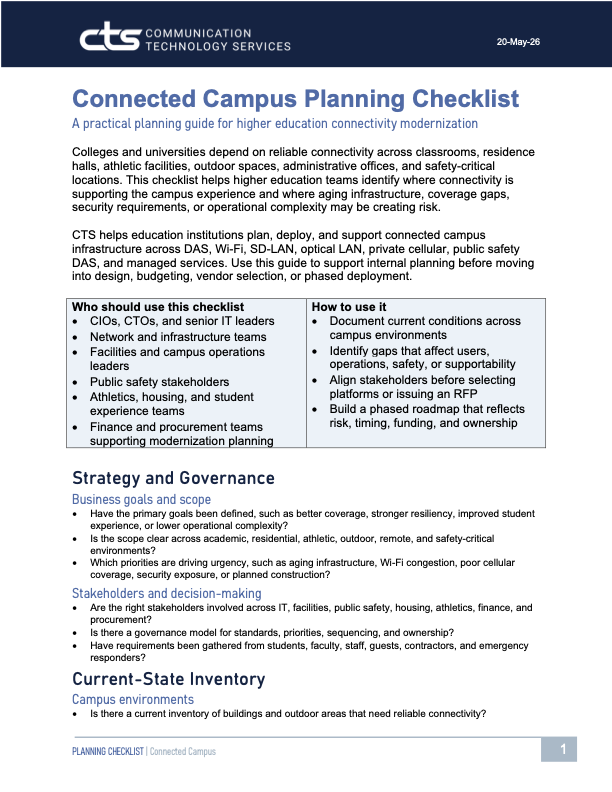
Connected Campus Planning Checklist
Use this practical planning checklist to identify coverage, infrastructure, safety, security, and support considerations across academic, residential, athletic, administrative, and outdoor campus environments.
-
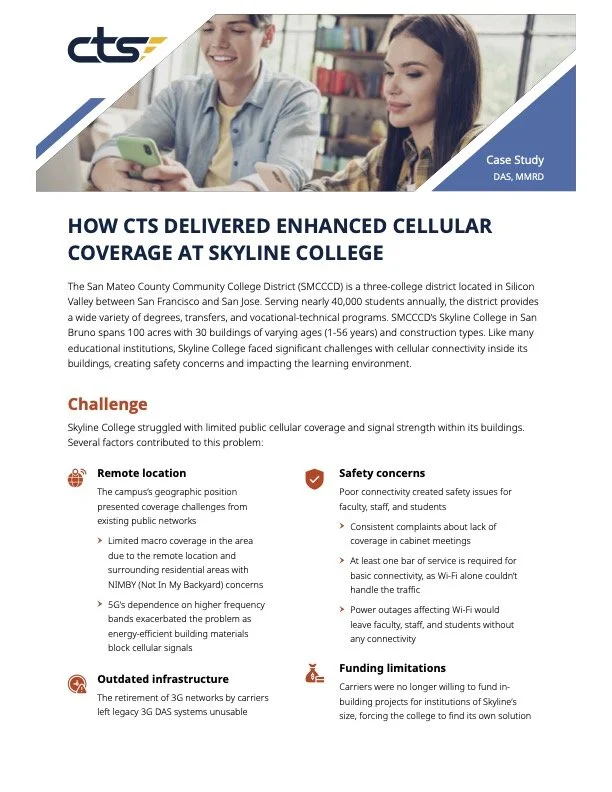
Skyline College Customer Story
See how CTS helped Skyline College improve in-building cellular coverage across a complex 100-acre campus with 30 buildings.
-

Private Wireless and 5G for Campus Connectivity
Explore how private wireless networks can support campus operations, IoT, facilities, security, research, and smart campus use cases.
Education Wireless Connectivity FAQs
-
Campus connectivity refers to the wireless and network infrastructure that supports learning, operations, safety, and daily life across an education environment. It can include public cellular coverage, Wi-Fi, private wireless, LAN infrastructure, public safety DAS, and managed services across buildings, outdoor areas, athletic venues, and safety-critical spaces.
-
Colleges and universities can improve public cellular coverage by assessing weak signal areas, documenting user needs, coordinating with carriers, and deploying in-building wireless or cellular DAS solutions where coverage and capacity are limited. CTS helps education institutions design carrier-grade solutions based on campus requirements, building conditions, and user demand.
-
DAS improves public cellular coverage from mobile carriers. Wi-Fi supports local wireless access for students, faculty, staff, guests, and campus devices. Private 5G or private wireless provides dedicated connectivity for specific campus operations, IoT, research, security, or smart campus use cases. Many education institutions use more than one of these technologies.
-
A school or campus may need public safety DAS when emergency responder radio coverage is weak inside buildings or safety-critical areas. Common problem areas include basements, stairwells, elevators, tunnels, parking structures, large buildings, and remote facilities. Public safety DAS helps support reliable emergency communications for first responders.
-
Private 5G can support dedicated wireless connectivity for campus operations, facilities, security, transportation, IoT, research, and smart campus applications. It can be useful when an institution needs greater control, reliability, mobility, or coverage for specific use cases that may not be best served by traditional Wi-Fi or public cellular networks.
-
Optical LAN can help education institutions modernize network infrastructure, reduce equipment footprint, simplify management, and support reliable connectivity across buildings and connected systems. It can provide a scalable foundation for Wi-Fi, smart building systems, security, operations, and future campus services.
-
Yes. CTS provides managed services and lifecycle support to help education institutions monitor, maintain, optimize, and plan upgrades for wireless and network infrastructure. This can help campus IT teams extend internal capacity and keep connectivity aligned with changing academic, operational, and safety needs.
-
A campus connectivity assessment should begin with current-state documentation, stakeholder input, coverage testing, infrastructure review, safety requirements, and a prioritized roadmap. CTS helps colleges, universities, and K–12 schools evaluate wireless and network needs across academic, residential, athletic, administrative, outdoor, and safety-critical environments.
Ready to Improve Connectivity Across Your Campus?
CTS helps education institutions plan, design, deploy, and support custom, carrier-grade connectivity solutions across public cellular, Wi-Fi, private 5G, Optical LAN, public safety DAS, and managed services. Whether you are addressing coverage gaps, aging infrastructure, safety requirements, or long-term campus modernization, CTS can help you identify the right path forward.